
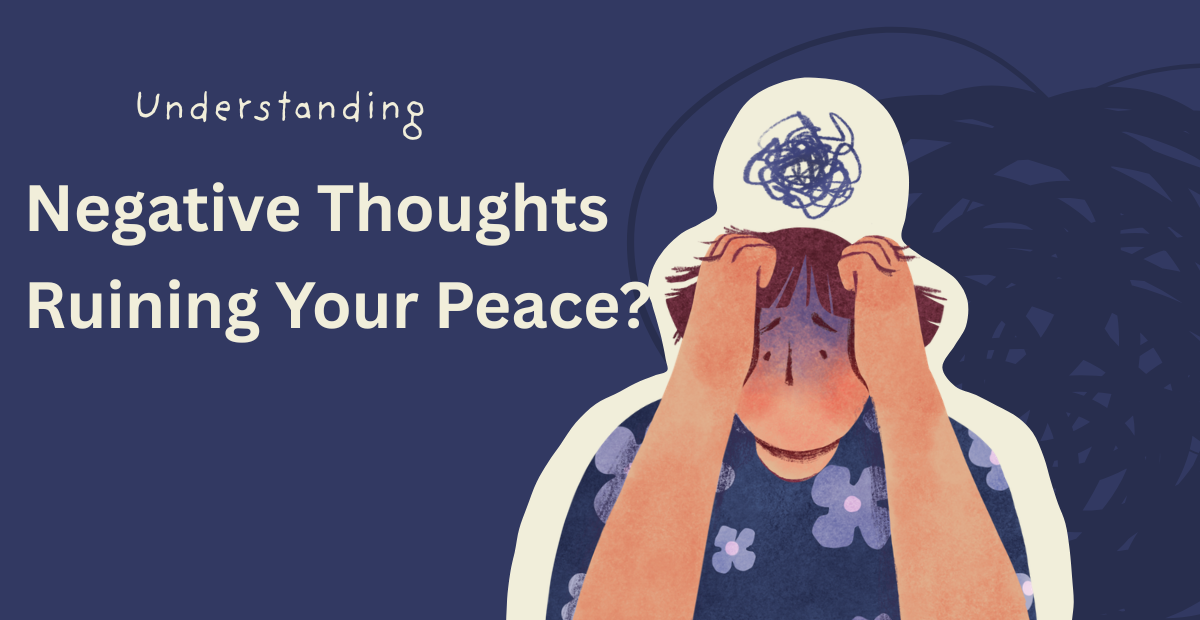
Sometimes, negative thoughts quietly enter our minds and slowly start affecting everything. Sleep gets disturbed, focus becomes weak, confidence starts dropping, and even small situations begin to feel mentally exhausting.
Maybe you also feel this sometimes. You are doing your work normally, but suddenly your mind starts creating fear, doubt, or overthinking without any strong reason. Honestly, I used to struggle with this too.
The good thing is that negative thoughts can slowly become manageable when you start understanding your mind instead of fighting it aggressively.
Learning how to deal with negative thoughts is not about becoming positive all the time. It is more about building emotional balance, calming your mind, and slowly improving your daily habits.
One thing I personally noticed was that small habits matter a lot. Daily journaling, working out, meditation, positive affirmations, listening to music, sunlight, morning walks, and even dancing for a few minutes helped me feel mentally lighter over time. Slowly, things started improving.
In this blog, we will talk about practical and beginner-friendly ways to handle negative thinking naturally without making things complicated.
What Are Negative Thoughts and Why Do They Feel So Powerful?
Negative thoughts are those thoughts that repeatedly create fear, self-doubt, anxiety, stress, or emotional pressure in your mind. Sometimes they come because of past experiences, fear of failure, pressure, loneliness, or overthinking.
The problem is that these thoughts often feel real even when they are not fully true.
The Simple Meaning of Negative Thinking
According to me, negative thoughts are those repeated thoughts that disturb your peace while you are trying to focus on important things in life.
Maybe you are studying, working, building your career, or simply trying to improve yourself, but your mind keeps interrupting you with fear and doubt.
For example:
- “What if I fail?”
- “What if nothing works out?”
- “Maybe I am not good enough.”
These thoughts slowly consume your mental energy.
Why the Brain Naturally Focuses on Fear and Problems
Our brain naturally focuses more on problems because it is designed to protect us from danger. Even small issues sometimes feel huge inside the mind because the brain keeps analysing them repeatedly.
This is why overthinking becomes so common.
The funny thing is that many times the situation is not even as serious as our minds make it feel. But when we repeatedly think about something, it starts feeling emotionally heavy.
Difference Between Normal Worries and Unhealthy Overthinking
Normal worry is temporary. For example, you have an important exam, interview, or office work, so naturally you feel nervous.
But unhealthy overthinking is different.
You keep thinking about the same thing again and again, even when there is no solution coming from it. Your mind keeps replaying negative scenarios repeatedly.
I personally experienced this too. Sometimes after working the whole day, I still used to overthink at night about future problems that had not even happened.
Later, journaling helped me calm down because writing thoughts on paper reduced mental pressure.
How Negative Thoughts Slowly Affect Mental Peace and Confidence
Negative thoughts do not damage everything instantly. They slowly affect your life little by little.
They can:
- reduce confidence
- disturb sleep
- increase anxiety
- lower productivity
- create emotional exhaustion
- affect relationships
- increase stress and self-doubt
When this continues for a long time, mental peace slowly disappears.
That is why learning how to overcome negative thoughts becomes important for emotional health.
Common Signs That Negative Thoughts Are Taking Control of Your Mind

Sometimes people do not even realise how deeply negative thinking is affecting them.
Here are some common signs:
- Constant overthinking
- Feeling mentally tired all the time
- Difficulty focusing on work or studies
- Assuming the worst in every situation
- Feeling anxious without a clear reason
- Losing motivation quickly
- Sleep problems
- Low self-confidence
- Replaying old mistakes repeatedly
- Comparing yourself constantly with others
If you relate to several of these signs, your mind may be carrying too much emotional stress.
How to Deal With Negative Thoughts Without Ignoring Your Emotions
One mistake many people make is trying to force positivity immediately. But honestly, suppressing emotions usually makes things worse.
Instead of fighting your mind aggressively, try understanding it calmly.
Observe Your Thoughts Without Panic
When a negative thought comes, do not immediately believe it.
Pause and ask yourself:
- Is this thought fully true?
- Am I assuming the worst?
- Is my mind exaggerating the situation?
This small habit slowly changes how you react emotionally.
Stop Talking Harshly to Yourself
Many people become their own biggest critics.
Instead of saying:
“I always fail.”
Try saying:
Focus on Facts Instead of Fear
Negative thinking often comes from assumptions, not facts.
For example:
Fear says: “Everything will go wrong.”
Reality says: “I am still trying and learning.”
This mindset shift slowly reduces emotional pressure.
Simple Daily Ways to Break Free From Negative Thinking
If you truly want to learn how to stop negative thinking naturally, focus on building healthy daily habits because long-term consistency works far better than short-term motivation.
Reduce Mental Overload
Too much phone usage, social media comparison, bad news, and doom scrolling can overload your brain emotionally.
One thing I personally noticed was that my negative thoughts became stronger when I spent too much time consuming random content online.
Try giving your brain some silence daily.
Build a Healthier Routine
Simple habits can genuinely improve your mental state.
Things that helped me personally:
- morning walks
- yoga workouts
- journaling
- sunlight exposure
- meditation
- listening to calm music
- proper sleep timing
Trust me, consistency slowly changes everything.
Stay Around Positive Energy
Isolation can increase overthinking.
Talk to supportive people. Spend time with family or friends. Sometimes, even sitting in a calm place quietly can help your mind reset emotionally.
Whenever my mind feels overloaded, I go somewhere peaceful for a while. That calm environment helps reduce mental noise naturally.
How to Deal With Overthinking and Negative Thoughts at Night
Nighttime overthinking is extremely common.
During the day, we stay distracted, but at night, the mind becomes louder.
Why Negative Thoughts Feel Stronger at Night
At night:
- There are fewer distractions
- emotions feel heavier
- Stress becomes more noticeable
- The brain starts replaying worries
This is why many people suddenly start thinking about future fears before sleeping.
Simple Ways to Calm Your Mind Before Sleep
Here are practical things that genuinely help:
Too much scrolling before sleep overstimulates the brain.
Journaling helps release emotional pressure.
I personally do this often when overthinking becomes too much. After writing things down, the mind feels lighter.
Music helps shift emotional energy naturally.
Deep breathing relaxes the nervous system.
Poor sleep increases emotional sensitivity and negative thinking.
Practical Techniques to Overcome Negative Thoughts Naturally
There is no instant solution, but practical habits slowly help your mind become calmer.
Deep Breathing and Grounding Exercises
When your thoughts feel overwhelming, slow breathing helps your body relax.
Simple method:
- inhale slowly
- hold for a few seconds
- exhale slowly
This helps reduce stress physically and mentally.
Writing Thoughts Down to Reduce Mental Pressure
Journaling is honestly one of the most effective habits I have personally experienced.
Instead of keeping thoughts trapped inside your mind, write them down.
Sometimes our mind becomes calmer simply because thoughts stop circulating repeatedly.
Practicing Mindfulness Without Making It Complicated
You do not need perfection.
Even sitting quietly for 5 minutes, focusing on breathing, or noticing your surroundings can help calm mental chaos.
Talking to Someone You Trust
Keeping everything inside increases emotional pressure.
Sometimes sharing your thoughts with a trusted person genuinely helps.
Not because they solve everything instantly, but because emotional support matters.
Focusing on Progress Instead of Perfection
Perfectionism creates stress.
You do not have to solve everything in your life all at once.
A small improvement is enough.
Honestly, I still have stressful days sometimes, but the difference is that now I know how to manage my mind better instead of letting thoughts completely control me.
Beginner Mistakes People Make While Trying to Overcome Negative Thoughts
Many beginners unknowingly make things harder for themselves.
Mental healing takes time. Do not expect one motivational video or one meditation session to change everything immediately.
Toxic positivity is unhealthy. Feeling emotional sometimes is completely natural and part of being human. The goal is balance, not fake happiness.
Social media comparison can increase insecurity and anxiety.
Remember: People mostly show highlights online, not reality.
Sometimes your mind is not weak. It is simply exhausted. Rest matters too.
Support is important. Talking openly can help more than silently struggling.
Small Daily Habits That Help Build a More Positive Mindset

Big life changes often start with small habits.
Here are habits that genuinely help:
- Morning walks
- Yoga or workouts
- Meditation
- Positive affirmations
- Journaling
- Sunlight exposure
- Listening to music
- Proper sleep
- Drinking enough water
- Spending time in calm environments
One thing that personally helps me is dancing for a few minutes sometimes. It may sound simple, but doing something you genuinely enjoy can shift your emotional energy.
I believe activities that make us feel alive emotionally can protect us from constant negative thinking.
Maybe for you it could be music, art, sports, reading, or spending time in nature.
The important thing is consistency.
When Negative Thoughts Become Serious and Hard to Manage
Sometimes negative thoughts become too intense and start affecting daily life badly.
Signs may include:
- constant anxiety
- panic attacks
- severe sleep problems
- emotional numbness
- hopelessness
- inability to focus
- extreme stress
In such situations, professional help is important.
Therapy does not mean weakness.
In fact, asking for help is a strong step towards healing.
Mental health deserves serious attention just like physical health.
Benefits of Learning How to Deal With Negative Thoughts
When you slowly improve your mindset, many areas of life begin improving too.
You react more calmly instead of panicking quickly.
Your mind becomes less distracted by fear and self-doubt.
Less emotional stress improves communication and connection with others.
A calmer mind naturally improves energy and focus.
This is probably the biggest benefit.
You start feeling emotionally free instead of mentally trapped all the time.
Frequently Asked Questions
How do I stop negative thoughts naturally?
You can reduce negative thoughts naturally by improving daily habits like journaling, exercise, meditation, proper sleep, mindfulness, and reducing overthinking triggers such as excessive social media usage.
Why do negative thoughts come repeatedly?
Negative thoughts often repeat because the brain keeps focusing on fear, stress, uncertainty, or emotional pressure. Overthinking and anxiety can strengthen this cycle.
Can overthinking cause anxiety and stress?
Yes. Constant overthinking can increase mental exhaustion, emotional stress, anxiety, and sleep problems over time.
How can I calm my mind quickly?
Deep breathing, journaling, listening to calm music, grounding exercises, meditation, and stepping away from stressful situations can help calm the mind quickly.
conclusion
Learning how to deal with negative thoughts is a slow process, not an overnight change, and honestly, that is completely okay. Small habits, emotional awareness, and consistency can slowly make your mind calmer and stronger over time.
Start with one simple step today, whether it is journaling, meditation, a morning walk, or reducing overthinking before sleep.
And if this blog helped you even a little, feel free to share your thoughts in the comments, explore more self-improvement blogs, and subscribe for future helpful content, because sometimes one small positive step can quietly change everything.
Read All Life-Changing Content Here: Hustel With Abhi
✨ Join 10k+ readers for free tips!
Subscribe & never miss a post 📩
1 thought on “How to Deal With Negative Thoughts: 10 Simple Ways”