
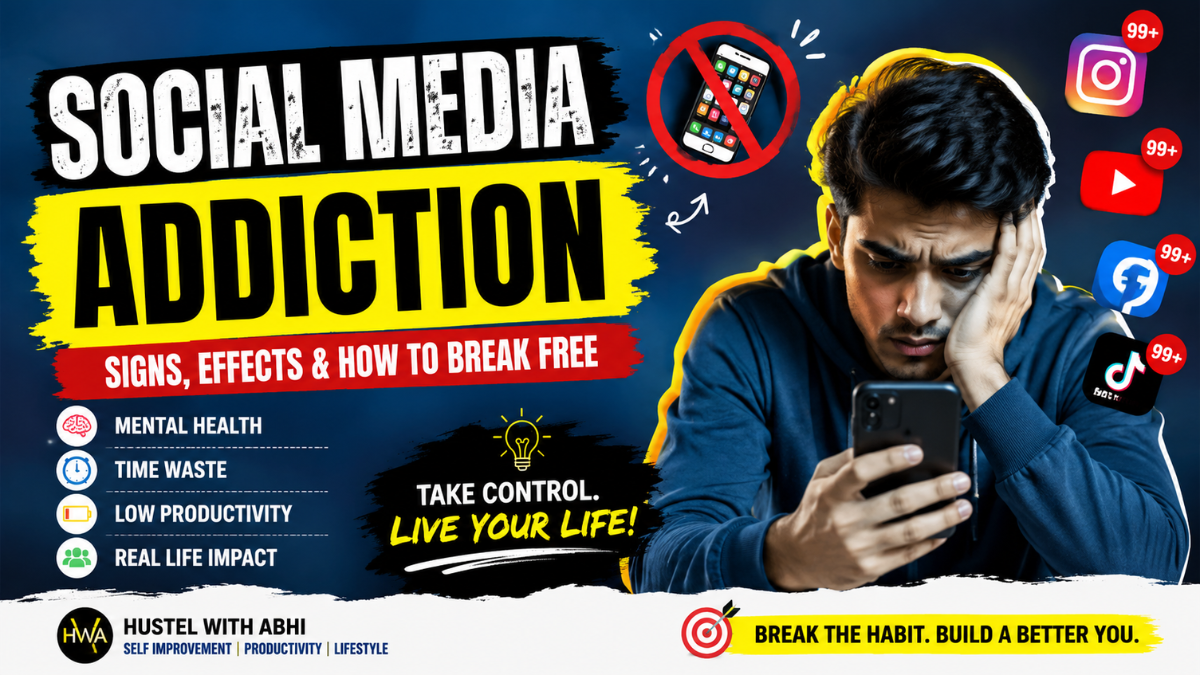
Social media addiction may be silently affecting your focus, productivity, and mental health—and many people don’t even realize it.
If you still feel mentally drained, distracted, or unproductive after scrolling for hours every day, this could be a warning sign.
In this article, you will learn about the effects of social media addiction, why this habit becomes so addictive, and practical steps to overcome it that you can start applying today.
With simple tips, real-life insights, and actionable solutions, this guide will help you regain your focus and establish better control over your social media usage.
What Is Social Media Addiction?
Social media addiction happens when a person becomes emotionally dependent on social media platforms like Instagram, YouTube, Facebook, Snapchat, or X (Twitter).
The problem goes far beyond simply being online for long hours. The real issue begins when social media starts affecting you.
- focus
- emotions
- confidence
- sleep
- productivity
- relationships
- mental peace
A person may constantly feel the urge to check notifications, scroll feeds, watch reels, or seek validation through likes and comments.
The funny thing is that social media itself is not completely bad. It helps people learn, connect, grow businesses, and stay entertained. But excessive use without control slowly creates unhealthy habits.
At first, things feel harmless. But over time, many people notice they cannot stay away from their phones even for a few minutes. That is where the real problem starts.
Why Social Media Addiction Is Becoming So Common
One major reason behind social media addiction is dopamine.
Every notification, like, message, or reel gives the brain a small “reward feeling.” Slowly, the brain starts craving more of that stimulation again and again.
Apps are also designed to keep users engaged for longer periods through:
- endless scrolling
- autoplay videos
- personalized algorithms
- notifications
- short-form entertainment
This creates a habit loop.
You feel bored—open social media—get temporary entertainment—repeat again.
Over time, this cycle becomes automatic.
Honestly, I personally noticed this during late-night scrolling. Sometimes I would open YouTube for one useful video and somehow end up watching random content for almost an hour.
Slowly, sleep quality started getting worse, and focus during work also reduced.
Many people experience this without realizing it.
Effects of Social Media Addiction on Daily Life
The effects of social media addiction are not always visible immediately. Most problems build slowly over time.
Reduced Focus and Productivity
Among all the challenges, this is often the most noticeable one.
Constant scrolling trains the brain to seek quick entertainment. Because of this, studying, reading, or deep work starts feeling boring.
Even short distractions break concentration.
Students especially struggle with this. One quick notification check often turns into 30 minutes of scrolling.
Slowly, important tasks keep getting delayed.
Poor Sleep Quality
For many people, scrolling through social media has become a regular part of their bedtime routine.
Blue light from screens and continuous stimulation make it harder for the brain to relax. Sleep timing gets disturbed, and mental tiredness increases.
Honestly, there were times when I planned to sleep early but kept scrolling reels “for a few minutes.” Suddenly, it became 2 AM.
The next day felt mentally exhausting.
Increased Anxiety and Stress
Social media constantly exposes people to the following:
- comparison
- unrealistic lifestyles
- success pressure
- beauty standards
- negativity
- news overload
This can silently increase stress and self-doubt.
Sometimes people start feeling like everyone else is doing better in life.
But the reality online is often filtered and incomplete.
Lower Self-Confidence
Many users unknowingly compare their real life to someone else’s edited highlight reel.
This affects confidence deeply.
People may begin feeling the following:
- unattractive
- unsuccessful
- behind in life
- unproductive
The sad part is that even successful people sometimes feel this way online.
Emotional Dependency
Some people start depending on social media for emotional escape.
Whenever they feel:
- lonely
- stressed
- bored
- anxious
They instantly open social media instead of dealing with emotions properly.
This habit slowly weakens emotional control.
Signs You May Be Addicted to Social Media
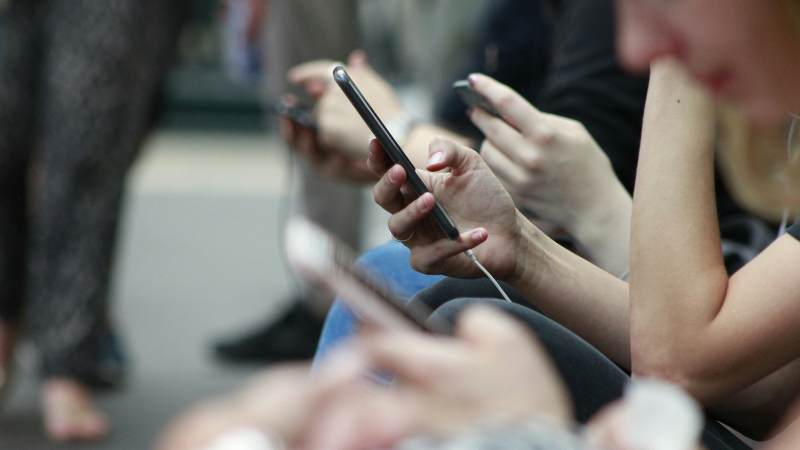
Many people ask this question:
How can I tell if social media is starting to affect my life negatively?
Here are some common signs:
- The first thing you reach for every morning is your phone.
- You scroll without any purpose
- You lose track of time online
- You feel anxious without your phone
- You cannot focus on studies or work
- You stay awake late because of scrolling
- You compare your life constantly
- You open apps automatically without thinking
If several of these feel relatable, your social media habits may need improvement.
And honestly, there’s really nothing to feel bad about in this. Most people today struggle with this in some way.
How to Stop Social Media Addiction Naturally
Now comes the important part.
If you want to learn how to stop social media addiction, remember one thing clearly:
Do not try extreme solutions immediately.
Suddenly deleting every app forever usually does not work long-term. The goal is balance and healthier control.
Here are practical steps that genuinely help.
Stop Using Your Phone Immediately After Waking Up
This single habit can improve mental clarity massively.
Instead of checking notifications first thing in the morning:
- drink water
- stretch
- walk
- pray
- journal
- Sit quietly for a few minutes
Starting the day peacefully changes your mindset.
One thing I personally noticed was that mornings felt far less stressful after avoiding social media for the first 30 minutes.
Turn Off Unnecessary Notifications
Notifications constantly pull attention away.
Most notifications are not urgent.
Try disabling:
- reel notifications
- random app alerts
- promotional messages
This reduces automatic phone checking.
Small change. Big difference.
Keep Social Media Apps Away From the Home Screen
This sounds simple, but it works surprisingly well.
When apps are instantly visible, the brain opens them automatically out of habit.
Move distracting apps into folders or uninstall them temporarily during study/work hours.
Reducing convenience reduces impulsive usage.
Set Time Limits Slowly
Do not suddenly reduce usage from 6 hours to 20 minutes.
That usually feels frustrating.
Instead:
- reduce usage gradually
- track daily screen time
- create realistic limits
For example:
Week 1 – reduce by 30 minutes
Week 2 – reduce another 30 minutes
Consistency matters more than perfection.
Trust me, slow progress creates sustainable habits.
Replace Scrolling With Better Activities
This is extremely important.
You cannot remove a habit without replacing it.
Try replacing social media time with:
- walking
- exercise
- reading
- journaling
- meditation
- skill learning
- talking to family
- offline hobbies
At first, things may feel boring because the brain is used to constant stimulation.
But slowly, things start improving.
Your mind becomes calmer.
Avoid Using Social Media During Meals
Many people scroll while eating.
This reduces mindfulness and increases unnecessary screen time.
Try eating without screens occasionally.
It feels strange initially but peaceful afterwards.
Follow Better Content
Your feed affects your mindset.
If your social media constantly shows:
- negativity
- toxic comparison
- fake lifestyles
- endless drama
Your mental state will suffer. Unfollow accounts that make you feel mentally drained.
Follow creators who:
- educate
- inspire
- motivate
- teach practical skills
Your digital environment matters.
Create “No Phone” Zones
Set specific times or places where phones are avoided.
Examples:
- during study time
- before sleep
- during family conversations
- while working
- during exercise
These small boundaries slowly rebuild focus.
Sleep became better. Focus improved. My thoughts felt calmer. And most importantly, real-life moments started feeling more meaningful again.
Common Mistakes People Make While Trying to Quit Social Media
Many beginners make these mistakes. Deleting every app suddenly may work temporarily, but many people return to old habits quickly. Balance works better than extremes.
Some people quit Instagram but start binge-watching YouTube for hours. The platform changes, but the habit remains.
Focus on improving attention and discipline overall. Many people blame themselves too harshly.
But social media apps are intentionally designed to be addictive. Progress takes time. Do not expect perfection in one week.
Benefits of Reducing Social Media Addiction

When people improve their social media habits consistently, they often notice powerful changes.
Better Focus: Tasks feel easier to complete. The brain slowly rebuilds its attention span.
Less comparison leads to less emotional pressure. People feel calmer mentally. Reduced nighttime scrolling improves sleep quality naturally.
You stop constantly comparing yourself to strangers online. This helps self-esteem improve gradually.
This may sound simple, but it changes everything. You suddenly realize how much time has disappeared every day.
That time can now go into the following:
- learning
- fitness
- relationships
- hobbies
- career growth
- self-improvement
Sometimes I would open social media while working “just for a quick break,” and suddenly my focus would completely disappear. The biggest thing I noticed was mental tiredness.
All that endless scrolling slowly made my mind feel constantly cluttered and restless. Concentration became harder. Motivation felt inconsistent.
Frequently Asked Questions
Does Reducing Social Media Time Really Improve Mental Well-Being?
In many cases, yes. Balanced social media usage can reduce stress, comparison, and mental exhaustion and improve focus and emotional stability.
What are the effects of social media addiction?
The effects of social media addiction may include poor concentration, anxiety, low confidence, sleep problems, emotional stress, and reduced productivity.
How to stop social media addiction naturally?
You can stop social media addiction gradually by reducing screen time, turning off notifications, setting boundaries, replacing scrolling with healthier habits, and using social media more intentionally.
conclusion
Social media addiction is not something to feel ashamed about because millions of people silently struggle with it every day, especially in a world where screens are always around us.
The important thing is becoming aware of the habit and slowly taking back control, one small step at a time. Even simple changes can improve your focus, sleep, confidence, and peace of mind more than you expect.
If this article helped you understand social media addiction better, feel free to share your experience in the comments, explore more self-improvement blogs, and subscribe for future helpful content that can genuinely improve daily life.
Read All Life-Changing Content Here: Hustel With Abhi
✨ Join 10k+ readers for free tips!
Subscribe & never miss a post 📩
4 thoughts on “Social Media Addiction 2026: Break Free in 7 Simple Steps”