
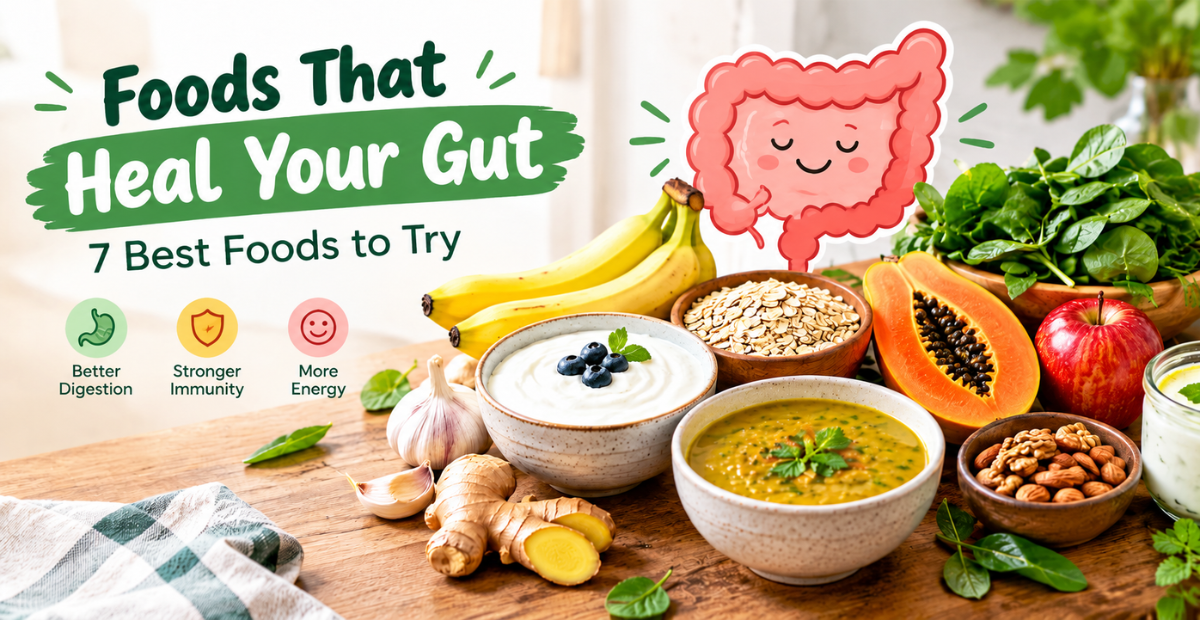
Ever feel bloated after a meal, struggle with irregular bowel movements, or wonder why your digestion feels uncomfortable? You’re not alone, bro. Your gut does a lot more than digest food.
It helps your body absorb nutrients and supports several important functions, including immune health.
The good news is that improving your eating habits doesn’t have to mean buying expensive supplements or following a complicated diet. Everyday foods such as curd, oats, bananas, lentils, and vegetables can help support digestive health.
In this guide, we’ll explore foods that heal your gut, practical Indian food choices, and simple habits you can follow consistently. Let’s make healthy digestion easier with food you can actually find in your kitchen.
1. Why Gut Health Matters More Than You Think
Your digestive system breaks down food, absorbs nutrients, and works alongside the trillions of microorganisms living in your gut. Maintaining a varied, balanced diet can help support this complex system.
I used to think that good digestion was simply about eating on time. But in my personal experience, my food choices and daily habits also seemed to influence how energetic and comfortable I felt. When I paid more attention to my diet and included curd, fermented foods, fruits, and fibre-rich meals, I noticed improvements in my daily routine.
Everyone’s experience is different, though. Bloating, acidity, and irregular digestion can have several causes, so changing your diet may not solve every problem.
One important thing to remember is that gut health isn’t about finding one magical food. It is about building a balanced eating pattern, drinking enough fluids, moving regularly, and noticing which foods suit your body. Research also supports the importance of dietary fibre and a variety of plant foods for digestive health.
2. 10 Foods That Heal Your Gut Naturally
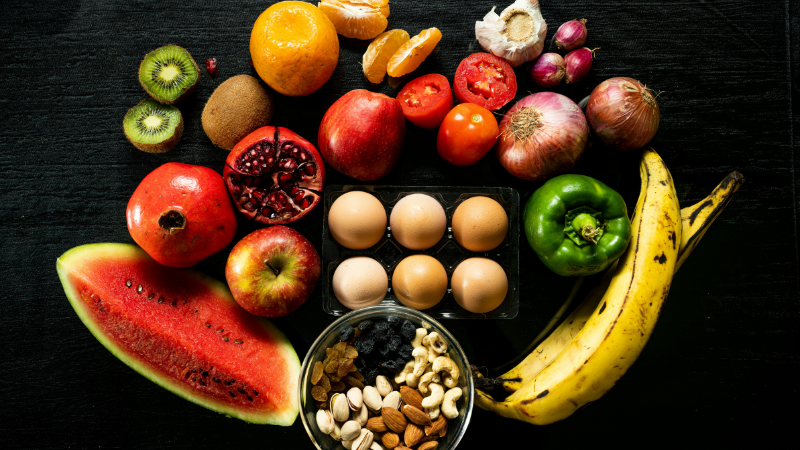
You don’t need a complicated meal plan to get started. These everyday options provide fibre, beneficial nutrients, or fermented-food cultures that may support digestive health.
- Curd (Dahi): Plain curd containing live cultures can provide beneficial microorganisms. Include it with lunch or enjoy it alongside a meal if you tolerate dairy well.
- Bananas: Bananas provide carbohydrates and fibre. They are convenient for breakfast or as a snack between meals.
- Oats: Oats contain soluble fibre, which can support regular bowel movements. Start with a comfortable portion and increase fibre gradually.
- Ginger: Fresh ginger adds flavour to dal, soups, and tea. Some research supports ginger for certain digestive symptoms, but it isn’t a cure for every cause of bloating or acidity.
- Garlic: Garlic contains compounds that can serve as food for certain gut microorganisms. However, it may trigger gas or symptoms in some people, especially those with a sensitive gut.
- Papaya: Papaya provides fibre, water, and vitamins. Enjoy it as a whole fruit rather than relying on it as a digestive treatment.
- Apples: Apples contain pectin, a type of fibre. If apples increase your bloating, try a smaller portion or choose another fruit.
- Green leafy vegetables: Spinach, methi, and other greens provide fibre and essential nutrients. Cooked vegetables may be easier to tolerate than large raw salads for some people.
- Moong dal: This Indian staple provides plant protein and fibre. Well-cooked moong dal or a simple moong dal soup can be a practical addition to balanced meals.
- Whole grains and nuts: Whole-wheat roti, brown rice, almonds, and other nuts provide varying amounts of fibre and nutrients. Choose portions that suit your appetite and tolerance.
You don’t have to eat all ten foods every day. Begin with two or three options you enjoy and build variety into your meals over time.
3. Best Foods for Gut Health: Simple Indian Choices
The best foods for gut health don’t have to be expensive or imported. Traditional Indian meals already offer many useful options.
Here are a few practical combinations:
- Breakfast: Oats with banana, or poha with vegetables.
- Lunch: Roti or rice, cooked vegetables, dal, and plain curd if tolerated.
- Evening snack: A piece of fruit or a small handful of nuts.
- Dinner: Moong dal khichdi with cooked vegetables.
- Optional fermented foods: Idli, dosa, or naturally fermented foods prepared and stored safely.
Fermented foods deserve a special mention. Curd with live cultures can provide microorganisms, while idli and dosa are made using fermented batter. However, not every fermented food contains live probiotic cultures in the finished product, and different foods can have different effects.
I found it helpful to think in terms of simple, repeatable meals rather than trying to change my entire diet overnight. If you already enjoy homemade Indian food, you may only need to make a few thoughtful adjustments.
For more everyday meal ideas, explore our guide to healthy foods in the Indian diet.
4. Daily Habits That Support a Healthier Gut
Food matters, but your daily routine matters too. A few manageable habits can make a balanced diet easier to maintain.
Increase fibre gradually. Add fruits, vegetables, oats, whole grains, and lentils in comfortable amounts. Increasing fibre too quickly can cause additional gas and bloating, so give your body time to adjust.
Drink enough water. Fluids help fibre work properly and can make stools easier to pass. Your individual needs depend on your activity, climate, and health.
Eat slowly. I noticed that eating while distracted was a habit I wanted to change. Taking time to chew and paying attention to meals can help you become more aware of fullness and discomfort.
Move every day. Walking, stretching, or another activity you enjoy can support general health and regular bowel habits.
Notice your triggers. Keep a simple food-and-symptom diary if certain meals seem to cause discomfort. Spicy foods, fatty meals, dairy, and particular high-fibre foods affect people differently.
Manage stress and sleep. Stress can influence digestive symptoms. A consistent sleep routine and a few minutes of relaxation may help you manage everyday stress.
For more practical tips, read our guide to healthy digestion and everyday habits.
5. Foods and Mistakes to Watch Out For
You don’t need to label every food as good or bad. Instead, focus on your overall eating pattern and identify what works for your body.
Frequent meals high in fried foods, sugary drinks, and heavily processed snacks may leave less room for fibre-rich foods.
Try replacing some of these choices with fruit, nuts, homemade snacks, or balanced meals rather than attempting an unrealistic overnight change.
Also, don’t force yourself to eat garlic, fermented foods, or large quantities of raw vegetables if they make your symptoms worse. Healthy foods can still trigger discomfort in people with particular sensitivities or digestive conditions.
One mistake worth avoiding is relying on apple cider vinegar as a gut-healing remedy. There isn’t strong evidence that it repairs the gut or detoxifies your body, and its acidity may worsen reflux in some people.
Similarly, don’t start restrictive diets or expensive probiotic supplements without a clear reason. Probiotics can have benefits in some situations, but their effects depend on the strain and condition.
If you experience persistent symptoms, unexplained weight loss, blood in your stool, or severe abdominal pain, seek medical advice rather than relying on dietary changes alone.
Frequently Asked Questions About Gut-Healthy Foods
What are the best foods for gut health?
Fibre-rich foods such as oats, fruits, vegetables, lentils, and whole grains can support digestion. Plain curd with live cultures may also be useful if you tolerate dairy. A varied diet is generally more helpful than relying on one food.
Which Indian foods are good for gut health?
Dahi, well-cooked dal, oats, whole-wheat roti, vegetables, fruits, idli, and dosa can all fit into a balanced diet. Choose portions and preparation methods that suit your digestive tolerance.
How long does it take to improve gut health through diet?
There is no fixed timeline. Some people notice changes in bowel habits within days, while other symptoms may take longer or require medical evaluation. Introduce dietary changes gradually and track your response.
Can I heal my gut without supplements?
Many people can support their digestive health through a balanced diet, sufficient fluids, regular movement, and consistent habits without needing supplements. However, some medical conditions require specific treatment, so supplements or dietary changes should not replace professional care when needed.
Conclusion
Bro, improving your digestive health doesn’t require a perfect diet. Start with simple meals, add fibre gradually, include a variety of fruits and vegetables, and try suitable fermented foods if you tolerate them.
The most useful foods that heal your gut are not miracle cures. They are everyday foods that can support digestion when they form part of a balanced lifestyle. Pay attention to your body’s response, stay consistent, and seek professional advice if symptoms persist.
Your next step: Choose two foods from this guide and include them in your meals this week. Small, sustainable changes are a more practical starting point than trying to change everything at once.
Read Our All Self-Improvement Article Here: Hustel With Abhi
✨ Join 10k+ readers for free tips!
Subscribe & never miss a post 📩