
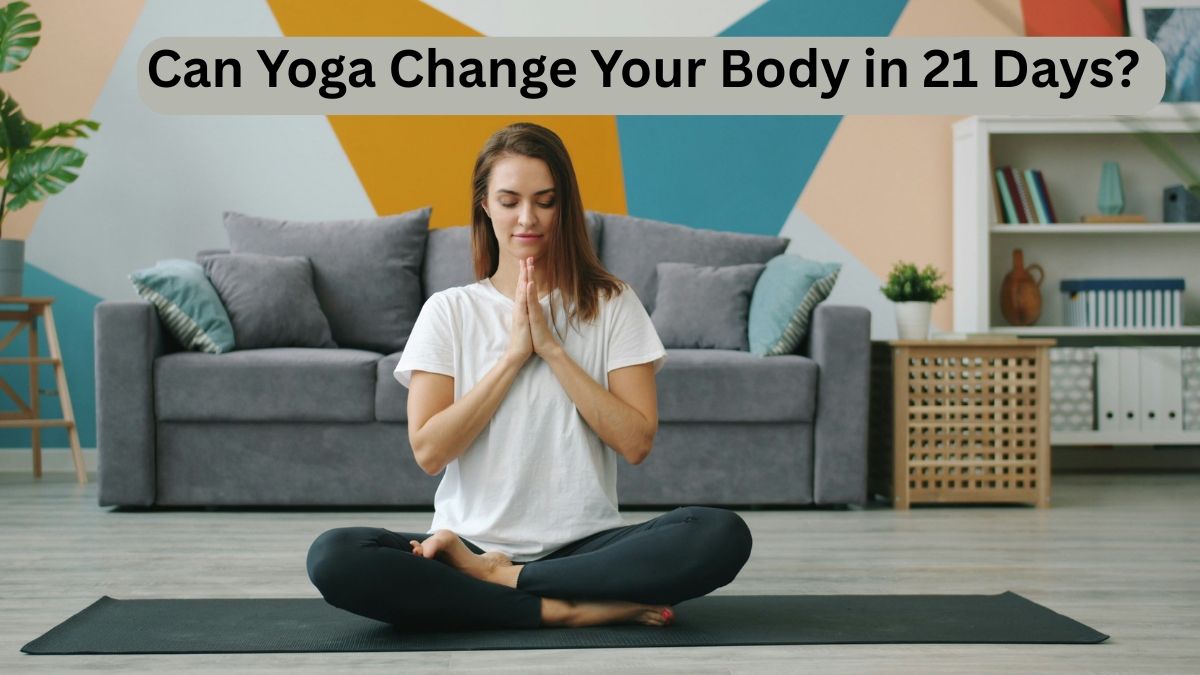
Ever wondered how you can make your entire body and mind feel lighter and more refreshed by dedicating just 20-25 minutes every day?
Guys, this instruction is ideal if you also want to start yoga for beginners right now.
Yoga is more than just poses—it helps your body feel active, and your mind feel more balanced.
I will show you simple, easy, step-by-step, and beginner-friendly poses that you can easily incorporate into your daily routine at home.
Even with short practice sessions, you will feel a noticeable difference in your posture and mood.
So let’s get started, guys! Let’s begin your yoga journey without any further delay!
Why 10 Minutes of Yoga Daily Is Perfect for Beginners
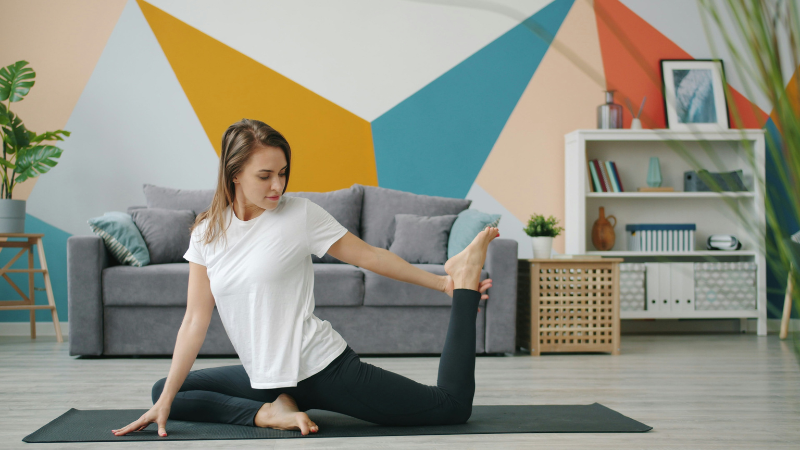
For anyone starting their yoga journey, the biggest mistake is thinking you need one full hour every day. You really do not.
In my own experience, even 10 minutes of regular yoga can make a visible difference in how your body feels and how your mind responds to daily pressure.
The beauty of yoga is that it does not ask for perfection. It asks for consistency.
A few slow stretches, controlled breathing, and simple poses each morning can help improve posture, support better flexibility, and make your mind feel more settled throughout the day.
If you stay consistent for even one week, you may start noticing lighter body movement, improved sleep, and better mental clarity.
This is exactly why 10 minutes is often the perfect starting point for beginners.
The Real Science Behind Yoga: How It Heals Your Body and Mind
How can simple stretches and breathing transform both our mind and body? I’ve thought about it, and I’ve even done some research. Let’s find out.
Science says that yoga not only boosts our flexibility, but it also works on the stress-related hormones of our daily lives.
It’s not just a number, okay? You’ll feel it too. That lump that used to cling to your shoulders all morning will slowly melt away.
But you’ll need to be consistent, because results will be seen over the coming weeks.
Now, let’s do a little reality check: People starting yoga, “This is all so complicated.” Truth? It’s absolutely normal. It happens.
To start, just try 5-10 minutes of basic yoga poses for beginners and deep breathing.
A little tension + slow breaths = instant calm. Yeah, you can try it. Do it wherever you feel stressed or anxious. This will make you feel relaxed.
Can you imagine that in 30 days, Regular yoga supports lower cortisol levels and helps improve posture, breathing, and sleep quality over time.
And one more thing: yoga isn’t just a miracle, but with consistent practice, you’ll be able to connect with your inner self.
An interesting fact about yoga is that one scientist found that yoga also boosts the brain’s memory centers! So don’t wait, just get started.
Simple Yoga Routine for Complete Beginners (No Equipment Needed)
When you first start, you might be wondering, “How do I start yoga? I don’t even have time for the gym?”
So, just chill, bro. That’s the beauty of yoga—no equipment. Zero excuses. Then gradually increase the time.
Morning: 3-5 deep breaths, then basic poses like cat-cow, mountain pose, and child’s pose.
Research has shown that newcomers who do 10-15 minutes of yoga regularly naturally experience lower stress levels.
If I may share my personal opinion, I would say only one thing: don’t worry about perfection.
If you’re tired of a pose, simplify it and breathe.
You can do this at night before bed, in the morning after waking up, or while doing yoga.
Imagine that after a week. Your body is light, your mind is calm, and you’re ready for the day.
It’s simple, very effective, and honest. It also brings a sense of self-love, as if we’re giving our body a gentle hug.
Along with yoga, you also have to do exercise, that too without any equipment, so this is our other blog.
Home workout without any equipment, so go and read it, once you see which home workouts have been told, interesting diet, and all that.
If you want to know everything, then read the blog. Blog: full body workout at home without any equipment
7 Beginner Yoga Poses to Improve Strength, Balance, and Focus
Yoga can seem a little intimidating in the beginning, right? When I first stood on the mat, I found it difficult to hold just one pose.
But the real charm of yoga for beginners is that even small poses strengthen your overall body and mind.
Trace pose improves our balance and mental focus. Research even shows that beginners who practice yoga for 10 minutes a day see their concentration improve by 15%.
When we do the warrior pose, it naturally strengthens our shoulders and core, and that too without heavy gymnastics.
Let me give you a tip. Here’s my personal tip: Focus on one pose for 30-60 seconds; wobbling is normal.
Don’t stress about perfect postures; the goal of yoga is flexibility + stress relief, not Instagram-perfect poses.
Imagine 3 months later—confidently balancing, muscles tight but relaxed, and mind absolutely calm.
These mini wins help you form a good habit.
Common Yoga Mistakes Beginners Should Avoid Right Away
You started doing yoga, rolled out a cardio-mat, played a YouTube tutorial, and oh, feel great… but got tired within 10 minutes.
It is very common to think this, and it does happen. I myself used to get tired after doing a little yoga.
Gradually, with the time of doing yoga increasing, my life is relaxed and good.
Research says that 65% of beginners ignore wrong posture or breathing, and then feel pain or frustration.
Top 4 mistakes
1. Ignoring breath: When we practice yoga, inhalation and exhalation are most important. Aim for two deep breaths in every pose.
2. Pushing too hard: Understand that flexibility doesn’t come overnight. Start small and slowly increase.
3. Bad alignment: Use props or a mirror to prevent injury.
4. Skipping warm-up: A two-minute warm-up and two-minute cool-down improves both energy and recovery.
And yes, don’t do the wrong cobra pose, or you’ll start to experience back pain. Adjust a little, and you’ll feel flexibility and stress relief within two weeks.
Yoga itself means “union” – unite the breath and pose, and the magic begins.
Yoga for Beginners: Your 21-Day Plan to Build Flexibility and Calm
If only 21 days of consistent effort can give you a calm mind, flexibility, and an energy boost, will you try it?
Many people start with full enthusiasm, but give up in the first week itself because it feels slow.
The goal of this 21-day plan is to build consistency, not perfection. In the first 7 days, simply focus on showing up on the mat every day, even if it is only for 10 minutes.
Once the habit starts forming, your body will naturally begin to adapt.
In 21 days, our new habit formation starts, and old bad habits also, over time, disappear.
The plan is simple, broken down into little micro steps:
- Days 1-7: Basic poses + deep breathing. (This is a mini stress buster.)
- Days 8-14: Add light flows, start noticing flexibility improvement.
- Days 15-21: Combine poses, focus on body alignment, and calm your mind.
And yes, some 1 in 3 beginners skip breathing techniques, and they are the most effective for calming your mind.
Personal opinion? Don’t rush. Stay fully present in one pose, feel your spine stretching, your shoulders relaxing.
Imagine that after 21 days, you wake up without stiffness and feel lightly detached from daily mental pressure.
Everyone’s body is different, so everyone’s progress speed will vary. This plan is designed for beginners. And yes, if you have a chronic injury, be sure to consult a doctor.
Mini tip: My advice to you would be to practice in the evening for better sleep and in the morning for an energy boost.
Tight hamstrings? Try a forward fold for 2 minutes; you’ll get instant relief.
By the end of 21 days, you’ll feel: “Yes, I actually invested in myself, and both my body and mind are thanking you!”
Easy Breathing Exercises to Power Up Your Yoga Practice
You must have heard somewhere that “breath” is life. This is true.
If you are just starting yoga, it is difficult to get 100% benefit from it without breathing exercises.
Earlier, I also used to think that doing yoga poses would be everything. If we do a reality check, this is absolutely not true!
You will improve your breath control, flexibility, focus, and energy level threefold.
A best and simple method: 4-7-8 breathing—inhale 4 seconds, hold 7 seconds, exhale 8 seconds.
Deep breathing reduces the level of the stress hormone cortisol, which means it reduces both daily pressure and tension in our lives.
Focusing on breathing can be a little tricky in the beginning, but with daily practice, you will notice energy and clarity.
You can imagine this in the future: a calm mind, an energized body, and an effortless yoga practice.
Create the Perfect Yoga Space at Home for Daily Practice
Have you ever considered that your yoga mat isn’t just a yoga mat, but can also be your mini sanctuary?
The magic of creating the ideal yoga for beginners is this: the space can be small or large, but you just need a comfortable, clutter-free, and peaceful corner.
Research even suggests that people who create a dedicated space for their practice have 40% more consistency!
I’d like to give you some great advice: add a small incense stick or plant to a corner. This increases both visual calm and mental focus.
And did you know that morning light resets our body clock and improves flexibility, naturally? Just start with 5 minutes, and it will naturally become a part of your regular yoga routine.
Stress Relief Relaxation Techniques. Here you will learn how to reduce daily stress, how to develop a positive mindset, and many other things have been explained along with this, so check right now: Stress Relief Relaxation Techniques
How Long Does It Take to See Results from Yoga?
One of the most common questions beginners ask is how soon they will start seeing results.
The honest answer is that small changes often begin within the first 7 to 10 days.
For example, you may notice that your body feels less stiff in the morning, your breathing feels calmer, and your sleep quality starts improving.
By the second or third week, regular yoga practice can support better flexibility, posture awareness, and reduced mental fatigue.
From personal experience, the biggest change is not only physical. The mind starts feeling less rushed, and daily tasks begin to feel easier.
Visible body changes may take a few weeks longer, but the mental benefits often begin much earlier.
Best Time to Do Yoga for Beginners
A lot of beginners ask whether morning or evening is better for yoga.
The truth is, the best time is the time you can stay consistent with.
Morning yoga is usually ideal because your mind is fresh, distractions are fewer, and it helps set a calm tone for the day.
Evening yoga can also work beautifully, especially if your goal is to release body tension and relax after work or study.
Personally, I find morning sessions better for focus and evening sessions better for stress relief.
The most important thing is not the timing itself, but building a routine that feels realistic for your lifestyle.
Can Beginners Do Yoga Every Day?
Yes, beginners can absolutely do yoga every day, as long as the routine stays gentle and realistic.
You do not need intense flows every single day.
On some days, even 10 minutes of light stretching and mindful breathing is enough.
Daily practice helps the body adapt naturally and makes the habit easier to maintain.
The key is to understand your body.
If you feel sore, switch to slower poses such as child’s pose, cat-cow, or deep breathing exercises.
Yoga is not about pushing hard every day. It is about showing up for yourself consistently.
Frequently Asked Questions
Is yoga good for reducing stress?
Yes. Deep breathing + slow movement reduces stress hormones. Whenever I feel overwhelmed, a 5-minute slow breathing session shifts my entire mood. Yoga teaches your nervous system to relax again.
Can yoga help with weight loss?
For beginners, yoga supports weight loss by improving metabolism and lowering stress-eating triggers. Combine gentle flows with mindful breathing. I noticed I naturally made healthier choices when I started practicing regularly.
Can yoga help with anxiety?
Yes. Slow breathing activates the calm side of the brain. I personally use a 4-second inhale + 6-second exhale whenever anxiety hits. Works amazingly well.
Final Thoughts
Starting ‘yoga for beginners’ can truly be one of the best gifts you give to your body and mind.
With just 10–20 minutes of regular practice, you can start experiencing better flexibility, calmer breathing, and mentally lighter feelings.
The real magic comes from consistency and patience.
If you found this guide helpful, be sure to explore our other life-improvement blogs—each post is written with real experiences and practical solutions.
Be sure to subscribe so every new blog comes straight to your inbox.
And if you need help with any life-related topic, comment—I’ll be sure to write the next helpful blog with my experiences and valuable insights.
Read More Article Here: Hustel With Abhi
✨ Join 10k+ readers for free tips!
Subscribe & never miss a post 📩