
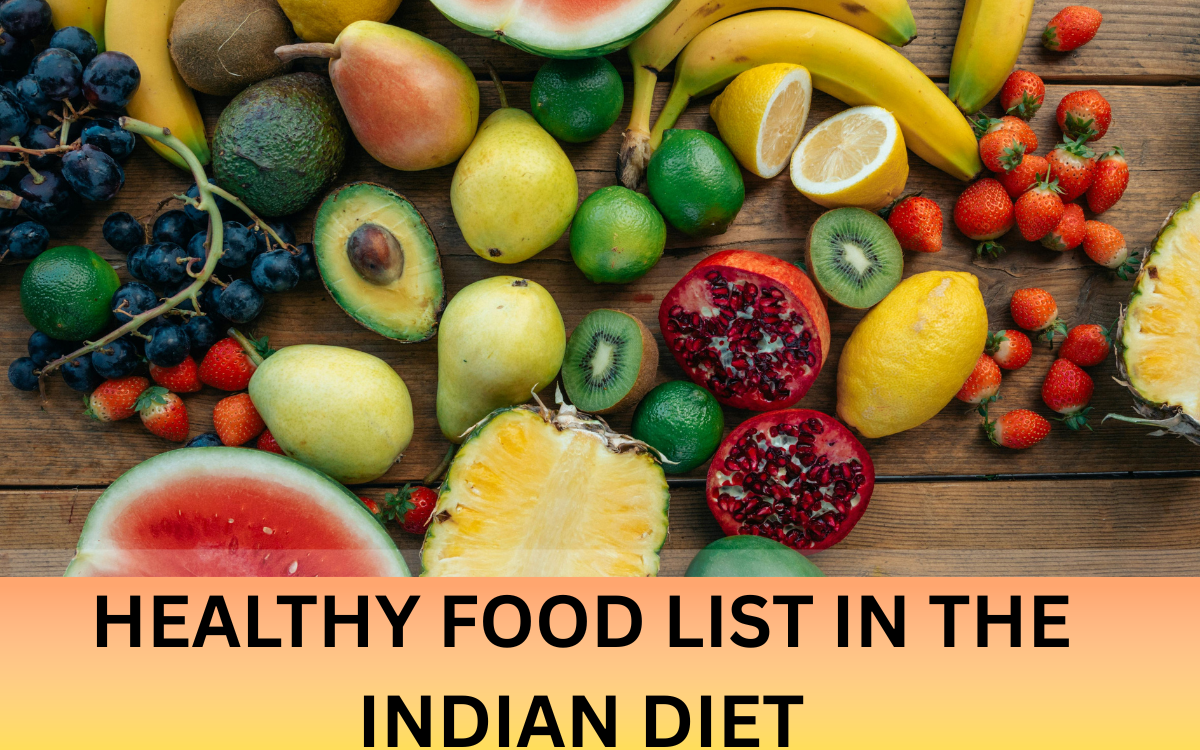
Healthy Food List in Indian Diet: The right diet choices can improve your immunity, energy, and overall health. If you’re often confused about what to eat and what to avoid in your daily life, then this guide is perfect for you.
In today’s blog, you’ll find a list of simple and effective Indian foods that are beneficial for everyone.
The article will cover whole grains, proteins, fruits, vegetables, healthy fats, and spices that can be easily included in your daily diet.
Just scroll down and learn how you can make healthy changes in your life and feel naturally fit. Let’s go, friend!
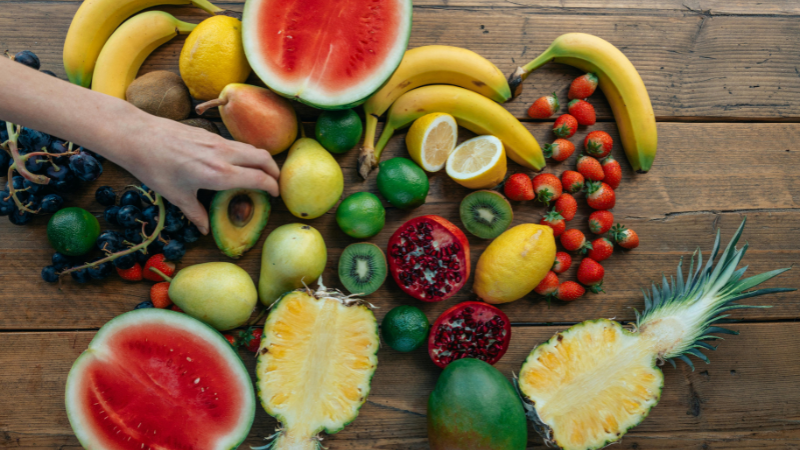
Simple 1-Day Indian Healthy Diet Plan
If you are confused about how to actually follow a healthy Indian diet, here is a simple, real-life example you can follow without stress.
In the morning, start with oats or poha along with a banana or a handful of nuts. This gives steady energy and keeps you full for longer.
For lunch, keep it simple, like 2 rotis, dal, and one vegetable sabzi. Add a bowl of curd if possible because it helps digestion and keeps your gut healthy.
In the evening, choose light snacks like roasted chana, sprouts, or fruits instead of fried items.
For dinner, keep it light. Moong dal khichdi or roti with cooked vegetables works best. Eating light at night helps with better sleep and digestion.
This simple structure is enough for most people if followed consistently.
Healthy Food Swaps (Junk vs Healthy Options)
You don’t always need to quit your favourite foods. Sometimes, just replacing them with better options can make a big difference.
Instead of white rice, you can try brown rice or millet-based grains. They keep you full for longer and don’t spike energy levels suddenly.
Instead of chips or packaged snacks, roasted makhana or peanuts are a better option. They give crunch without unhealthy fats.
Cold drinks can be replaced with buttermilk, lemon water, or coconut water. These are refreshing and support digestion.
Even sweets can be balanced by eating fruits like bananas or dates in small portions.
Small swaps like these help you stay consistent without feeling restricted.
What Happens When You Eat Healthy Daily
When you start eating a balanced Indian diet regularly, the changes don’t happen overnight, but they are noticeable over time.
You begin to feel naturally more active and alert throughout the day, instead of getting tired too quickly.
Your energy levels stay steady and balanced, without sudden ups and downs or midday crashes.
Digestion also improves naturally. You don’t feel heavy after meals, and bloating reduces.
Many people also notice better focus and mood because food directly affects brain function.
Even skin and sleep quality start improving slowly when your diet is clean and consistent.
The main thing is consistency. One healthy meal doesn’t change anything, but daily habits do.
What Does a Healthy Food List in the Indian Diet Include?
A healthy food list in the Indian diet means a selection of foods that are easily digestible, nutrition-rich, and worth incorporating into your daily routine.
1. We only need to pick the appropriate combination from the already varied Indian cuisine.
Can anyone do that? Yes, there are some major categories and some basic examples of them.
2. Complex carbohydrate (whole grains) Example: Whole wheat roti, brown rice, oats, and millets. (like millet, jowar, ragi), Dalia (broken wheat).
All of these give you energy and help keep your blood sugar level stable.
3. Green Leafy Vegetables – Boost Iron & Immunity Naturally in the Indian diet, examples are spinach, ladyfinger, carrot, and broccoli. These are vegetables that improve digestion and also strengthen immunity.
While the liver and kidneys are the main detox organs, these foods support liver function and reduce inflammation.
Example: Methi seeds soaked in water; lemon and honey water; garlic and ginger; and turmeric. These are all healthy Indian foods that naturally detoxify.
4. Fresh Indian Fruits – Natural Source of Fibre, Vitamins & Antioxidants
Examples: apple, spinach, papaya, pomegranate, and seasonal fruits. Foods that make your skin glow and provide instant energy.
5. proteins (muscle health + body repair).
Example: moong dal, toor dal, paneer, chana, rajma, curd, and Greek yoghurt. Proteins are very important for everyone, especially for growing teens and people who go to the gym.
6. Healthy fats (for brain and joint support)
Example: ghee, mustard oil, almonds, walnuts, coconut oil, chia seeds. Weese fats are also very important, but you have to choose healthy fats instead of refined oils.
This is the best inclusive healthy food list in the Indian diet.
7. Desi Lentils & Legumes – Plant-Based Protein Power
Dal (like moong, masoor, toor) is rich in protein, fibre, and iron. They’re easy to digest and perfect for vegetarians.
8. Low-Fat Dairy Products – Curd, Paneer & Milk for Calcium
Dairy gives you calcium and good bacteria. Go for low-fat options like toned milk, curd (dahi), and homemade paneer.
9. Indian Lean Protein Sources – Eggs, Paneer & Dal for Muscle Growth
Lean proteins help build muscles and keep you full longer. Include eggs, dals, and low-fat paneer in your meals.
10. Ayurvedic Herbs & Spices – Natural Indian Boosters for Immunity
Haldi (turmeric), tulsi, ginger, and cinnamon are desi health boosters. They fight cold, improve digestion, and detoxify your body.
11. Indian Probiotic Foods – Curd, Buttermilk & Kanji for Gut Health
Fermented foods like chaas (buttermilk), kanji, and curd support digestion and improve gut bacteria.
“An average Indian adult needs 50-60 grammes of protein daily – consider adding sprouts, dal, paneer, curd, and eggs to meet the requirement.”
Morning healthy superfood list to start your day with energy
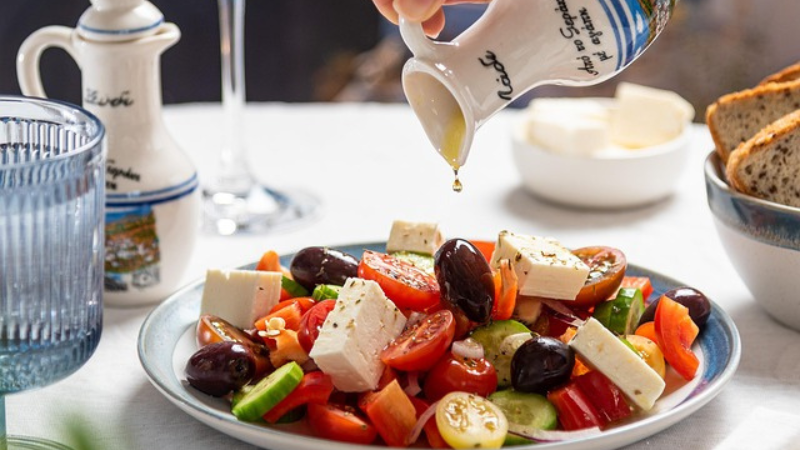
The food we eat in the morning destroys the energy of the entire day.
So, if you also want to start your day in an active and focused way, then you must include some superfoods in the healthy food list in the Indian diet for a powerful morning.
1. Oats with Fruits – High-Fibre Indian Breakfast for Weight Loss. Energy release is slow, but along with that, you get long-lasting satiety.
Complex carbs and high fibre are also present. If you want to make a complete breakfast, then you will have to add a banana, chia seeds, and almonds as well.
2. Boiled eggs or paneer. A protein-rich option is excellent, and yes, along with muscle recovery, it also boosts metabolism. Paneer + 1 multigrain roti = this is the perfect breakfast.
3. Top Nuts & Seeds for Brain Health & Omega-3 in the Indian Diet. Rich in healthy fats, antioxidants, and omega-3s.
Soaked almonds, walnuts, and flaxseeds. Taking them on an empty stomach in the morning improves our brain function.
4. Cumin water or lemon water. This is a natural detox drink. Drinking it boosts metabolism and is also a perfect start for digestion.
The Indian diet includes this as an old cure.
5. Seasonal fruits. Seasonal fruits can also be a part of your morning meal.
Included are seasonal fruits that are high in natural sugars, fibre, and vitamins.
This boosts your immunity and keeps you fresh. To maintain good gut health, you can also carry a bowl of curd with it.
A healthy food to stay active and fit in the afternoon
Moong dal chilla + mint chutney
High in protein, light, and yes, easy to digest—this is an Indian snack and is perfect for an afternoon energy boost.
Curd with roasted jeera + slices of fruit.
Probiotic Indian food, like curd, helps improve digestion easily. And if you add pomegranate or papaya to it, you get nutrition as well.
Buttermilk or coconut water
Buttermilk or low-calorie Indian drinks are best for natural hydration in the afternoon—this improves our digestion and refreshes the body.
Mixed nuts
This is a healthy Indian snack. It helps in controlling afternoon cravings. It also fuels our brain.
Millet Khichdi with ghee
But if you want a heavier snack, have ragi or bajra khichdi with some ghee; it makes a balanced Indian meal that helps sustain your energy.
Light but energy-rich foods
Foods like sprouts, bananas, or nuts help you stay active through the afternoon. For more tips on staying focused and alert, read our full productivity guide.
The night’s healthy food list will improve both your sleep and health
This is the best and lightest dinner option, which is easily digestible and is full of protein.
In this, you can also get the natural detox effects of spices like turmeric and cumin.
This warm turmeric milk is a traditional Indian superfood that boosts your immunity and also calms your body for better sleep.
If you have this at bedtime, then this is one of the perfect options for you.
Low-oil mixed sabzi with whole wheat roti gives you micronutrients, fibre, and satiety without making your stomach feel heavy.
Probiotic foods like curd and phulka should be taken with meals at night; this helps in supporting digestion and also helps in preventing acidity.
This is one of the light protein food options that comes under the high-protein Indian food list. It is best to have it in grilled or steamed form for dinner.
Healthy food list in indian diet for fat loss
Whenever it comes to fat loss, or we talk about fat loss, the first thing that comes to mind is diet.
Yes, I agree exercise is also important, but that 30 per cent is mostly our diet, so diet is also important.
You have to choose such foods that are low in calories, high in nutrients, and, yes, also naturally boost metabolism.
Is it a healthy food list in the Indian diet for fat loss? Here we will only talk about such Indian food that will help in fat-burning and is tasty too. Come on, friends, let’s see which are the healthy foods.
High-Lean Protein Indian foods
This protein speeds up metabolism and also helps us burn fat. Let’s see.
Example: boiled eggs, which are perfect for breakfast; paneer, which is low-fat; moong dal and masoor ki dal too; and yes, sprouts and chana chaat too.
fiber-rich vegetables
Fibre fills the stomach, and yes, it also reduces cravings.
Example: spinach, bottle gourd, cabbage, cauliflower, and ladyfinger.
Fruits for fat loss
Fruits naturally provide sugar and hydration without increasing weight.
Example: apple, papaya, watermelon, orange.
Whole grains and complex carbs
Simple carbs are something like maida or white rice, so it is better to take whole grains.
Example: Brown rice, bajra, broken wheat, millets, and oats.
A healthy food list for weight gain fast
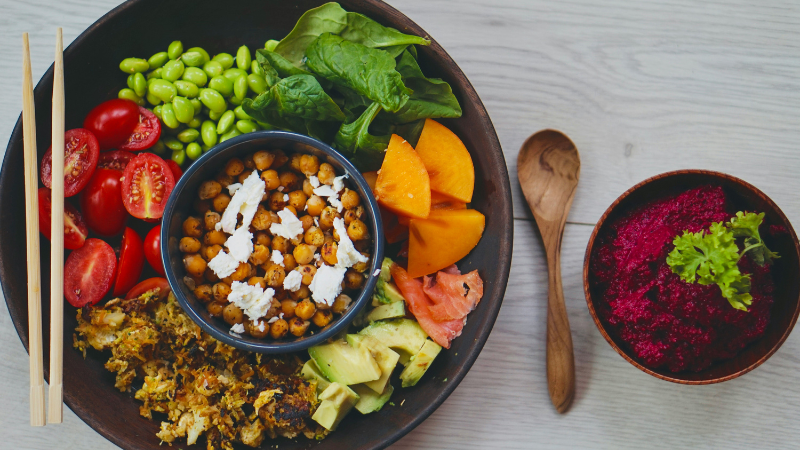
If you want to gain weight, you think you will have to eat a lot of food, but that is not so.
In meals, you need to be a little nutrient-dense and, yes, high-calorie—both of these have to be included in Indian meals—but only if they are natural, digestion- and body-friendly.
- Peanut butter and banana. high in calories and healthy fats.
- Paneer and full-fat milk. Excellent source of protein and fat. 100 g of paneer = 250+ calories.
- Rice and dal combo. A simple carb and protein mix is okay. If you need more calories, then you can add ghee too.
- Aloo paratha with curd. This is a traditional Indian meal rich in carbs and fat.
- Dry fruits. Yeah, natural calorie boosters, hi. Yeah, it is best for morning and evening snacks.
- Boiled eggs or omelette. This is a high-protein Indian food for muscle and weight gain.
- Homemade protein shakes.
Banana + milk + peanut butter + honey—a perfect 500-700 kcal shake.
“An average Indian adult needs 50-60 grammes of protein daily – consider adding sprouts, dal, paneer, curd, and eggs to meet the requirement.”
Maintain focus and energy in the student food list
Students need to maintain their health along with their studies because they will be able to study well only if their health is good.
A healthy food list in the Indian diet can be specially designed, which can naturally boost their brain function, stamina, and concentration.
Let me tell you, it can include high-protein, fibre-rich, and complex-carb-rich Indian foods in it. Let’s know what to do.
If you would like to learn more about How To Make Study Habits, please visit our blog on How To Make Study Habits.
Morning brain-boosting breakfast ideas
Oats + banana + nuts—this is the combination.
It is full of slow-digesting carbs and healthy fats, which also give us long-lasting, full energy.
Boiled eggs or paneer paratha (less oil). These are, of course, protein-rich options that keep you alert.
Lunch. A balanced Indian meal for students
Whole wheat roti + mixed vegetable sabzi + dal. This is an Indian classic thali that is balanced. It contains the ideal balance of carbohydrates, fibre, and protein.
Buttermilk or curd—both of these improve gut health and have an impact on both focus and mood and help us.
This student day routine will help you stay focused, energetic, and healthy all day.
Evening snacks (no junk)
Roasted chana and gur—a natural iron and protein combo that helps in removing our tiredness.
Fruit salad with seeds (chia/flax)—antioxidants and omega-3s for mental clarity.
Dinner. Light and nutritious
Khichdi with moong dal and ghee is digestive-friendly and light on the stomach so that we can sleep well.
Vegetable pulao with curd—good carbs with probiotics.
A healthy food list for different seasons
In addition, our body’s nutritional needs develop according to the season, and if I tell you one thing, the biggest benefit and thing on our healthy food list in the Indian diet is the concept of seasonal eating.
Whenever you plan a healthy food list in the Indian diet according to the season, digestion and energy remain in balance, and immunity is also boosted.
Summer season
- Our goal should be hydration + cooling foods.
- Include (seasonal Indian foods): coconut water, cucumber, and watermelon.
- Curd and buttermilk—natural probiotics for digestion.
- Lauki, tori, and spinach are light and, yes, hydrating vegetables.
- Mint, lemon, and vegetable seeds have a cooling effect.
Monsoon season
Our goal should be to strengthen immunity and avoid infections.
Include ginger, turmeric milk, and tulsi to fight colds and coughs.
Moong dal and steamed veggies are light and, along with that, gut-friendly.
Seasonal fruits like pears and jamun. Homemade soups with garlic and black pepper.
Along with this, you must see these monsoon health tips once if you want to have a healthy body during the monsoon.
How to do all the work well, meaning all the work gets done, and we remain healthy and can also enjoy the monsoon.
After that, you will not fall sick, your work will be done well, and your productivity will also be maintained throughout the day.
Just look, you will enjoy it, and it is also very beneficial during the monsoon season.
Winter season
What should be our goal? Energy-rich foods + warmth.
Include the following: Carrots, fenugreek, and sarson ka saag are special winter greens.
Ghee and dry fruits like cashews and almonds—energy and healthy fats.
Jaggery (gud) and sesame seeds—for warmth and digestion.
Millets like bajra and filling grains.
Spring/Autumn
- What should be our goal: detox + transition foods.
- Include: Beetroot, broccoli, and fenugreek are antioxidant-rich.
- Khichdi and light dal digestion remain easy.
- Lemon-honey water—natural detox drinks.
- Seasonal fruits like oranges, guava, and apples.
When will the effect of healthy food be visible? That is visible only when your daily routine is also disciplined. Check out this simple Indian daily routine for the best results.
A healthy budget food list that any household can easily afford
Healthy food list in the Indian diet. In India, the budget of every household is different, but we also know that health is important for everyone.
Today, we will list some healthy food items that can be made a part of the Indian diet, whatever is in the budget.
Healthy Whole Grains in Indian Diet – Ragi, Bajra & More
- Whole grains are cheap and healthy.
- (broken wheat)—fibre-rich and digestion-friendly.
- Brown rice—better than white rice, complex carbs.
- Bajra, jowar, and ragi are millets, which are millets and are cheap as well as nutritious.
Affordable protein sources
- Toor dal, moong dal, and masoor dal—these are staples of the daily Indian diet.
- Rajma, chhole, and chana are plant-based proteins and safe options.
- A cheap source of high protein is boiled eggs.
Local and seasonal vegetables
- Launki, tinda, bhindi, and spinach—these are also cheap vegetables and provide vitamins, too.
- Mooli, cabbage, and carrots are affordable and easily available.
Budget-friendly fruits
- Seasonal fruits—we buy them from the local market and get them even cheaper.
- Rice, watermelon, papaya, and bananas are rich in water and vitamins.
Healthy Fats in Indian Cooking – Ghee, Coconut & Mustard Oil Benefits
- Groundnuts and mustard oil are local and cost-effective.
- Homemade ghee (thoda) – rich in good fats if taken in moderation.
A list of healthy foods to boost immunity
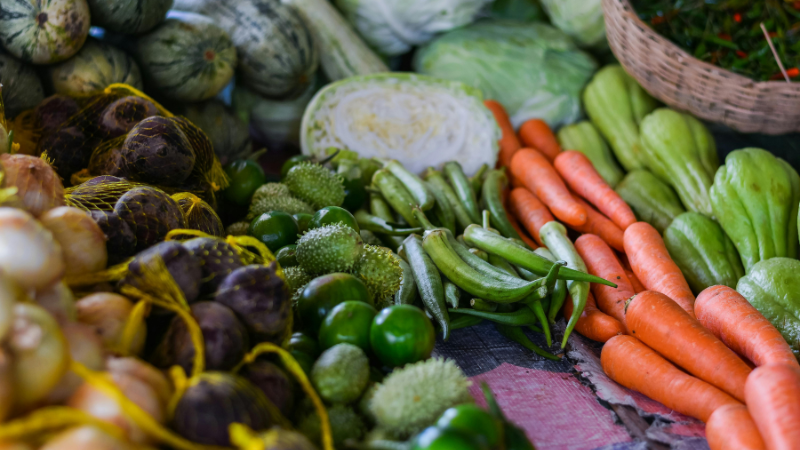
There are some such foods in the desi healthy food list in the Indian diet that help to boost our immunity easily.
This healthy food list in the Indian diet is not just about immunity but also good for our overall health. Let’s know.
It is very famous for its natural anti-inflammatory and antioxidant properties.
You just have to consume turmeric daily with milk or add it to vegetables.
Garlic is a natural antibiotic that helps a lot in preventing most viral and bacterial infections. If you take 1-2 black garlic cloves in the morning, it gives you many benefits.
Onion contains quercetin, which cures any allergy we have and reduces infections.
Onions should be used regularly in most Desi foods, and we use them mostly. It also supports our immunity.
Vitamin C, which is found in lemons, increases white blood cells. Lemon water and salad are mainly used.
Holy basil is a powerful herbal immunity booster. Drinking a cup of Tulsi tea daily or chewing 4-5 Tulsi leaves is very beneficial.
Curd contains probiotics, which improve our gut health. If we see, the gut is the base of immunity.
These vegetables are rich in iron, vitamin A, and yes, fibre. This helps to protect us from infections.
Healthy Foods for a Busy Lifestyle (Quick & Easy Options)
In today’s world, everyone leads a busy life, and consequently, preparing or adhering to a healthy diet often feels like a daunting task.
However, the truth is that maintaining good health does not require a complicated diet; it simply involves incorporating a few smart food choices into your daily routine.
If you, too, wonder how to eat healthily amidst a hectic schedule, you can easily balance your diet using simple Indian foods.
For breakfast, options such as poha with vegetables, oats with fruits, or boiled eggs provide sustained energy and ensure a strong start to your day.
If you are short on time, a banana paired with peanut butter toast serves as a quick and effective energy booster.
At lunchtime, the body requires proper nutrition; therefore, meals like dal-roti, brown rice with ‘rajma’ (kidney beans) or ‘chhole’ (chickpeas), and vegetable ‘pulao’ served with curd are perfect choices.
These foods not only keep your stomach feeling light but also help maintain stable energy levels throughout the afternoon.
In the evening, when cravings tend to intensify, opting for healthy snacks—such as ‘sprouts chaat’, roasted ‘makhana’ (fox nuts) or peanuts, and a fruit bowl topped with chia seeds—is a far better alternative to junk food.
These snacks provide an energy boost without the guilt while keeping your body feeling light and comfortable.
Dinner should always be kept light to ensure easy digestion and promote good quality sleep.
Simple meals like ‘moong dal’ with ‘roti’, vegetable soup, or ‘khichdi’ help relax the body and leave you feeling refreshed the following morning.
Overall, staying healthy is entirely possible even amidst a busy lifestyle; all it requires is keeping your food choices simple, natural, and consistent.
For a complete Indian weight loss diet plan, check diet.
Expert Tip: Simple Rule for a Balanced Indian Diet
If you want to keep your diet simple and effective, follow one basic rule that nutrition experts often use.
Try to divide your plate into three parts: half filled with vegetables, one part with protein like dal or paneer, and one part with carbohydrates like roti or rice.
This balance is enough for most people and avoids both overeating and nutrient deficiency.
Also, don’t overcomplicate your diet with too many rules. Simple home food, eaten on time, is already powerful enough for good health.
The goal is not perfection, but consistency in small habits that you can follow daily without stress.
Common Mistakes People Make in the Indian Diet
Most people think they are eating healthy just because they are eating homemade food, but that’s not always true. The real problem starts when the balance is missing.
One common mistake is skipping breakfast or having something very light, like just tea. This slows down energy levels for the entire day and affects focus.
Another mistake is using too much oil or ghee in daily cooking. Even simple vegetables become heavy when the oil quantity is not controlled.
Also, many people don’t include enough protein in their meals. Without protein, the body feels weak, and hunger comes back quickly.
If you fix these small things, your Indian diet automatically becomes much healthier without doing anything extreme.
frequently Asked questions
What meals from India aid in weight loss?
Healthy food list in the indian diet. Foods that are great for losing weight include tinda, spinach, sprouts, dal, oats, brown rice, buttermilk, and lauki. Steer clear of processed sugar, fried foods, and large dinners late at night.
Is it possible for a vegetarian to maintain a nutritious Indian diet?
Indeed, vitamins, fiber, and protein are all naturally abundant in a vegetarian healthy food list in Indian diets. Eat a diet rich in leafy greens, whole grains, fruits, nuts, paneer, tofu, and dals.
Take Action Now
A List of Healthy Foods in the Indian Diet. Adopting a healthy Indian diet isn’t a difficult task; it simply requires making slightly smarter daily choices.
Simple Indian foods alone can provide the body with the proper energy, immunity, and balance it needs.
Maintain consistency, and you will naturally begin to feel the results.
If you found this blog post helpful, I encourage you to seriously apply these principles to your daily life and be sure to share your experiences in the comments section.
Your feedback serves as a motivation for me to write even more practical, real-life problem-solving blogs.
Furthermore, if you wish to explore more topics related to health, diet, or self-improvement, please subscribe to the blog.
Every new post will be delivered directly to your inbox, enabling you to bring about step-by-step improvements in your life.
Also, if you haven’t read our previous blog posts yet, do check them out—you will find even more useful tips there that can help enhance your daily life.
Read More Article: Hustel With Abhi
✨ Join 10k+ readers for free tips!
Subscribe & never miss a post 📩
4 thoughts on “Healthy Food List in Indian Diet: 15 Powerful Foods Guide”