
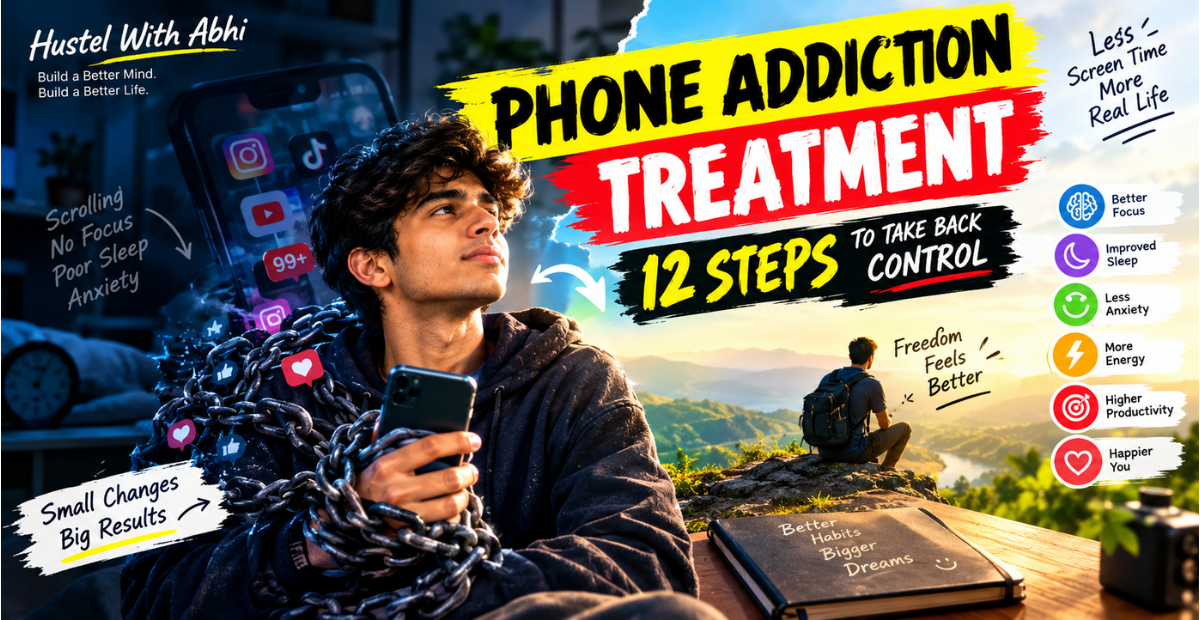
Have you ever picked up your phone just to check one notification—and somehow ended up scrolling for the next 30 minutes?
You tell yourself, “Bas 5 minutes aur,” but those 5 minutes turn into an hour. Your focus gets weaker, your sleep starts suffering, and even when you know you should put the phone down, you still feel the urge to check it again.
If this sounds familiar, you’re not alone. Phone addiction has become a real struggle in everyday life, and the problem is often bigger than simply “using your phone too much.”
Your brain can get caught in a repeated reward loop that makes checking your phone feel almost automatic. But here’s the good news: effective phone addiction treatment doesn’t mean completely quitting your phone or disappearing from social media forever.
Instead, you need to understand why you keep reaching for your phone—and then gradually change the habits that keep pulling you back.
In this guide, you’ll discover a simple, science-backed, step-by-step approach to phone addiction treatment that can help you reduce unnecessary screen time, regain your focus, sleep better, and feel more in control of your day.
And the best part? You don’t have to change everything overnight.
Let’s start with the first step: understanding why your phone is so difficult to put down.
What Is Phone Addiction and Why So Many People Are Struggling With It

You know, phone addiction is a situation where your smartphone becomes the center of your daily life.
Most young boys, for example, spend 7-8 hours a day scrolling on their phones.
How many hours do you spend on your phone? Ask yourself that question, okay?
You know, it’s not just a time pass—social media, notifications, and short-form video content release dopamine in our brains, which gives us a feeling of pleasure and reward.
That’s why we compulsively look at our phones or check them constantly, even during work, studies, or family time.
From a behavioural and emotional perspective, phone addiction replaces our real-life interactions.
Do you understand? Let’s understand with an example: a student was studying in the library after class, but he checked his phone every 5 minutes.
This becomes a repetitive cycle that gradually turns into a habit and affects our mental focus and productivity.
Bro, you know what you should do? Enable your screen time tracker and set daily limits for high-distraction apps, or, in my opinion, hide the apps or even turn off your phone when you have important work to do.
That’s what I do: either the phone is off, or the apps are hidden.
This simple step will start you on the path to overcoming your phone addiction and will also restore your mental clarity.
How Modern Apps and Dopamine Loops Train Your Brain to Stay Hooked
Long-term phone addiction treatment doesn’t just mean a temporary detox; it means reshaping your daily lifestyle and habits so that you naturally become free from excessive phone use.
According to one research study, college students average 3-4 hours of screen time per day, and you know that for students and young professionals, this can go up to 7+ hours.
If you ask me about my screen time, my average is also 4+ hours. But I’m gradually trying to control it. However, all my work is online, so my phone time will naturally be higher.
But along with this, I also do yoga to maintain good health. For my health, I do daily yoga, meditation, and exercise.
If you want to work out at home and know the benefits of different workouts, we’ve written a blog for you: “Body Workout at Home Without Equipment”. It explains the benefits of different exercises, which ones you should do daily, and a healthy diet for a healthy body.
All of this is explained, so check it out now: body workout at home without any equipment.
Okay, let’s move on to the answer to our question. Adopt a habit replacement strategy: whenever you feel bored or stressed in life or in your daily routine (which you probably do because of work pressure, right?)
Instead of reaching for your phone, take a short walk or do some stretching, write down whatever thoughts come to your mind, or do short mindfulness sessions.
Let me tell you about some apps, okay? Apps like Forest, StayFree, and Digital Wellbeing can be used for long-term monitoring and accountability. If you want, try them out. If you find them helpful, apply them to your life. Okay.
Bro, along with this, the social environment is also very important: involve your family and friends, properly set your screen time goals, and gradually manage triggers and notifications.
This phone addiction treatment approach will provide you with sustainable focus, better mental health, and healthier digital habits, which are essential for your long-term life balance.
Essential Tools and Apps Americans Use to Cut Down Phone Overuse
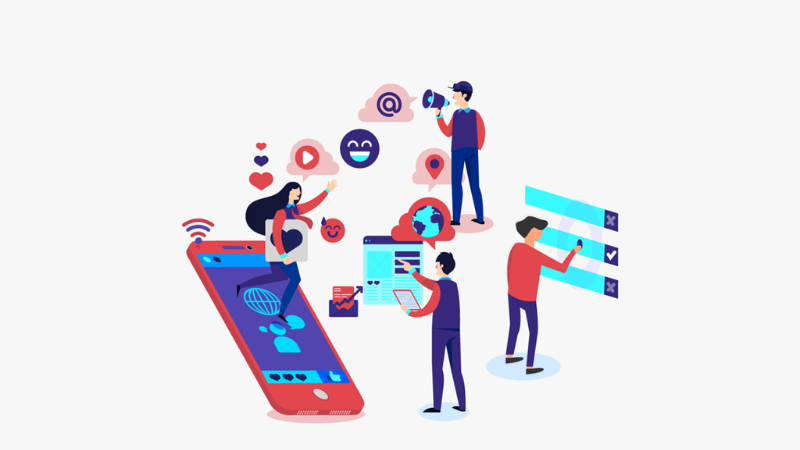
People are realising that phone addiction isn’t just a distraction, but it significantly affects our productivity and mental health.
To track this problem, several effective phone addiction treatment tools and apps are available.
As we discussed, Digital Wellbeing is designed for Android phone users, and Screen Time is for iPhone users.
These apps automatically track your daily screen time and help you set limits.
You need motivation and focus for your work in your daily life; the Forest app is a unique solution.
This app allows you to grow a virtual tree when you stay away from your phone.
This creates a dopamine loop of small rewards, which naturally reduces phone overuse.
For students and professionals, Freedom and AppBlock apps are also very popular, as they block specific apps and websites during work or study hours.
Let me give you the best and most practical tip that I also use.
On a daily basis, set 5-10 minute app check-ins instead of constant scrolling.
These apps and tools are designed for a US audience and follow scientifically proven techniques that make your phone addiction treatment journey very effective.
Try these apps once and see how your productivity boosts and screen time decreases.
The Science Behind Dopamine and Phone Addiction
Your brain is naturally wired to seek rewards, and smartphones exploit this system by delivering quick and unpredictable dopamine spikes through notifications, likes, and endless scrolling content.
Each time you receive a small reward, your brain reinforces the behaviour, which creates a habit loop that makes you return to your phone even without any real need or intention.
This repeated cycle slowly rewires your brain, making normal activities feel less exciting, which is why people often lose interest in studying, working, or even socialising without their devices.
Understanding this mechanism is important because effective phone addiction treatment focuses on breaking this loop and retraining your brain to find satisfaction in slower, meaningful activities.
Long-Term Mindset for Digital Discipline
True freedom from phone addiction comes from developing a mindset where you value your time, attention, and mental clarity more than short-term digital distractions.
Instead of thinking about restriction, you should focus on control, where you decide how and when to use your phone based on your priorities and goals.
This shift in thinking helps you build self-discipline naturally, because your actions start aligning with your long-term vision instead of temporary impulses.
When this mindset becomes part of your identity, phone addiction treatment is no longer a struggle but a natural outcome of your daily choices and habits.
Practical Environment Changes That Reduce Phone Usage
Your environment plays a powerful role in shaping your habits, and small physical changes can significantly reduce your phone usage without requiring constant willpower or mental effort.
Keeping your phone out of reach during work sessions creates a natural barrier, which makes it less likely for you to check it impulsively during moments of boredom or distraction.
Another effective strategy is to redesign your home or workspace by creating phone-free zones, where your brain automatically associates those areas with focus, relaxation, or meaningful human interaction.
These changes may seem simple, but they reduce friction in the right direction, which makes consistent behaviour change easier and more sustainable over a longer period of time.
How to Replace Phone Usage With Better Habits
Breaking phone addiction is not just about reducing screen time but about replacing that time with activities that provide real value, satisfaction, and long-term benefits for your life.
If you simply remove phone usage without adding alternatives, your brain will eventually return to old habits because it still seeks stimulation, comfort, and a sense of engagement.
You can start with simple replacements such as walking, journaling, reading, or exercising, which gradually help your brain adjust to slower but more meaningful forms of reward.
Over time, these activities create a new identity where you no longer depend on your phone for entertainment, which is a key part of sustainable phone addiction treatment.
Long-Term Mindset for Digital Discipline
True freedom from phone addiction comes from developing a mindset where you value your time, attention, and mental clarity more than short-term digital distractions.
Instead of thinking about restriction, you should focus on control, where you decide how and when to use your phone based on your priorities and goals.
This shift in thinking helps you build self-discipline naturally, because your actions start aligning with your long-term vision instead of temporary impulses.
When this mindset becomes part of your identity, phone addiction treatment is no longer a struggle but a natural outcome of your daily choices and habits.
Common Mistakes That Slow Down Your Progress
Many people fail to overcome phone addiction because they try to make extreme changes too quickly, which leads to frustration, inconsistency, and eventually returning to old habits.
Another common mistake is relying only on motivation, without creating systems or routines, which makes it difficult to maintain discipline when your energy or mood is low.
Ignoring triggers such as boredom, stress, or loneliness also prevents progress, because these emotional states often drive the urge to check your phone repeatedly.
To avoid these issues, focus on gradual improvement, structured routines, and awareness of your behaviour, which together create a more effective and realistic recovery process.
Frequently Asked Questions
1. Can phone addiction be treated?
Yes. Small, consistent changes can help reduce compulsive phone use and regain control.
2. How long does it take to reduce phone addiction?
It depends on your habits, but noticeable changes can begin within a few weeks of consistent effort.
3. What is the fastest way to reduce phone use?
Turn off unnecessary notifications, remove distracting apps, and keep your phone away during focused tasks.
Conclusion
Phone addiction treatment doesn’t mean you have to leave your phone completely, because for most people that just isn’t realistic in daily life.
✨ Join 10k+ readers for free tips!
Subscribe & never miss a post 📩
2 thoughts on “How to Stop Phone Addiction: 12 Practical Steps to Take Back Control”